

 www.sandatlas.org
 Opening: Building Your Own Backyard Shed A DIY Guide Want to declutter your home or create a dedicated workspace? A backyard shed can be the perfect solution. Building one yourself can save you money and give you a sense of accomplishment. This guide provides a step-by-step approach to constructing your own durable and functional shed. Before starting, check your local building codes and regulations to ensure compliance.
Step 1: Planning and Preparation Before you even pick up a hammer, meticulous planning is crucial. This phase determines the success and efficiency of your shed build. Determine Shed Size and Location: Consider what you'll store in the shed and the available space in your yard. Mark the area and check for underground utilities. Design Your Shed: Create a detailed plan or use readily available shed plans online. Factor in features like windows, doors, and ventilation. Gather Materials and Tools: Create a comprehensive materials list based on your design. Common materials include lumber, plywood, roofing materials, siding, fasteners, and concrete mix. Essential tools include a circular saw, drill, level, measuring tape, hammer, and safety glasses. Prepare the Foundation: A solid foundation is paramount for a long-lasting shed. Common foundation options are concrete slab, gravel pad, or wooden skids. Choose the best option based on your soil type and shed size. For a gravel pad, excavate the area, lay down landscape fabric, and fill with compacted gravel.
Step 2: Building the Frame The frame provides the structural integrity of your shed. Accuracy and proper fastening are key. Construct the Floor Frame: Assemble the floor joists according to your plan, ensuring they are level and square. Use pressure-treated lumber for ground contact. Build the Walls: Cut the wall studs to the correct length and assemble the wall frames, ensuring they are square. Frame around door and window openings. Raise the Walls: Carefully raise the wall frames and attach them to the floor frame, using temporary braces to keep them plumb. Securely fasten the walls together at the corners. Construct the Roof Frame: Build the roof trusses or rafters according to your plan. Ensure they are correctly angled and spaced.
Step 3: Sheathing and Roofing Sheathing provides a solid surface for siding and roofing, while the roof protects the shed from the elements. Apply Wall Sheathing: Attach plywood or OSB sheathing to the wall frames, using nails or screws. Ensure the sheathing is flush with the frame and seams are staggered. Install Roofing Underlayment: Apply roofing felt or synthetic underlayment to the roof frame, overlapping the edges to prevent water penetration. Install Roofing Material: Install shingles, metal roofing, or other roofing material according to the manufacturer's instructions. Ensure proper overlap and secure fastening.
Step 4: Siding and Finishing Siding protects the shed from the weather and adds aesthetic appeal. Finishing touches enhance functionality and appearance. Install Siding: Attach siding to the wall sheathing, following the manufacturer's instructions. Choose a siding material that complements your home and withstands the local climate. Install Doors and Windows: Frame the door and window openings and install the doors and windows, ensuring they are properly sealed and weather-resistant. Add Trim: Install trim around the doors, windows, and corners to enhance the appearance and protect the edges of the siding. Paint or Stain: Apply paint or stain to the siding and trim to protect the wood and enhance the appearance of the shed. Install Flooring (Optional): Add flooring inside the shed for a more comfortable and finished look. Plywood, OSB, or vinyl flooring are common options.
Step 5: Final Touches and Organization Once the structure is complete, focus on the details that make your shed functional and organized. Install Shelving and Storage: Add shelving, hooks, or other storage solutions to maximize the use of space and keep your tools and equipment organized. Add Ventilation: Install vents to allow air circulation and prevent moisture buildup inside the shed. Clean Up: Remove any debris and leftover materials from the construction site. Inspect for Issues: Conduct a thorough inspection of the shed to identify and address any potential problems.
Conclusion: Enjoying Your New Shed Congratulations on building your own backyard shed! With careful planning, diligent work, and attention to detail, you've created a valuable addition to your property. Enjoy the extra storage space, workspace, or hobby area your new shed provides. Remember to maintain your shed regularly to ensure its longevity and functionality.
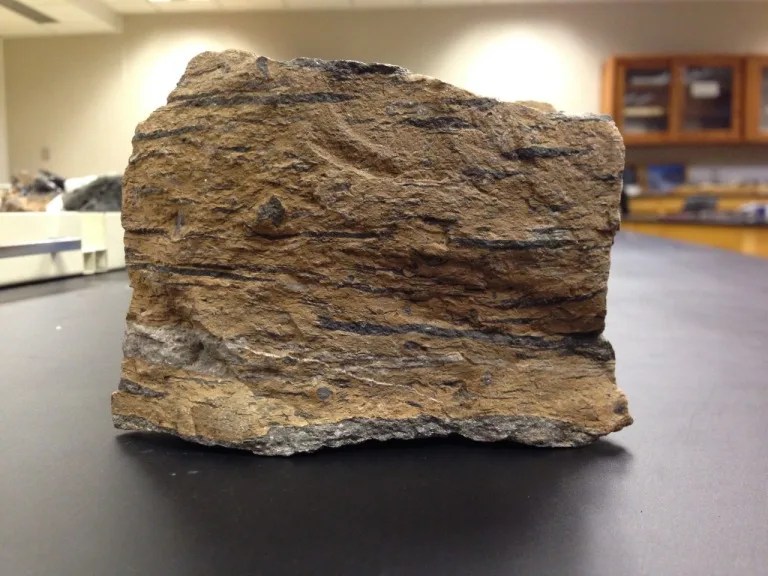
Tuff
www.sandatlas.org Tuff Rock
 geologyscience.com
 Tuff
 www.sandatlas.org


0 komentar:
Posting Komentar